If you’ve recently been told your car needs ADAS calibration after a windscreen replacement, you wouldn’t be alone in feeling a bit confused. For a lot of drivers, it’s one of those terms that seems to appear out of nowhere, usually attached to extra cost and a longer fitting time.
We often hear things like:
“The car drove fine before.”
“Do I really need it calibrated?”
“Is this just an added extra?”
The short answer is that ADAS calibration isn’t optional on many modern vehicles — and it plays a big role in keeping you safe on the road. In this article, we’ll explain what ADAS actually is, why calibration matters, and what can happen if it’s skipped.
First things first: what does ADAS mean?
ADAS stands for Advanced Driver Assistance Systems.
These are the safety and convenience features built into modern vehicles that help monitor the road and assist the driver. Depending on your car, ADAS may include systems such as:
- Lane departure warning
- Automatic emergency braking
- Traffic sign recognition
- Adaptive cruise control
- Forward collision alerts
Many of these systems rely on cameras and sensors mounted behind the windscreen. That’s where windscreen replacement and ADAS calibration become closely linked.
Why the windscreen matters more than you think
On older vehicles, replacing a windscreen was relatively straightforward. Remove the damaged glass, fit the new one, and off you go.
Modern vehicles are different.
In many cars, the windscreen isn’t just a piece of glass — it’s a mounting point for cameras that constantly scan the road ahead. These cameras need to be positioned extremely precisely to work as intended.
When a windscreen is removed and refitted, even the smallest change in camera angle can affect how the system reads distances, lanes, and obstacles. That’s why calibration is needed after replacement.
What is ADAS calibration?
ADAS calibration is the process of resetting and realigning the vehicle’s cameras and sensors so they match the manufacturer’s specifications.
It ensures that:
- Cameras are pointing in the correct direction
- Distances are being measured accurately
- Safety systems respond at the right moment
Calibration is not guesswork. It’s a controlled, technical procedure that follows strict guidelines set by the vehicle manufacturer.
How ADAS calibration is carried out
There are two main types of ADAS calibration: static and dynamic. Some vehicles require one, others require both.
Static calibration
This is done in a controlled environment, often indoors. The vehicle is positioned precisely, and calibration targets are placed at exact distances and angles in front of it.

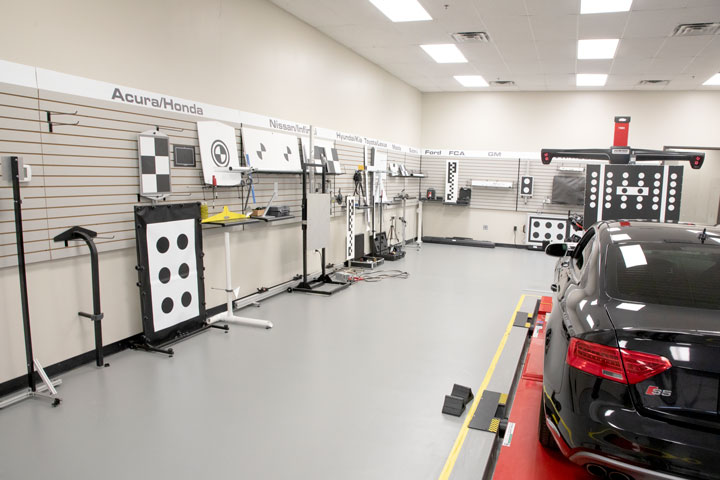
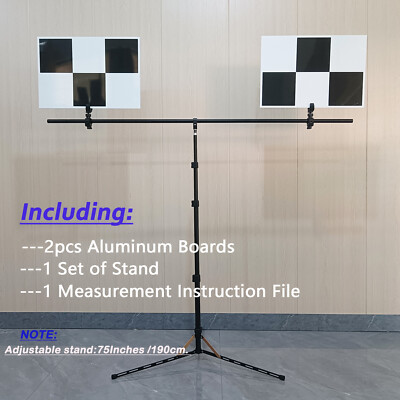
The vehicle’s onboard systems are then recalibrated using specialist diagnostic equipment.
Dynamic calibration
This involves driving the vehicle on approved roads under specific conditions. The car uses live road data — lane markings, signage, and traffic flow — to recalibrate its systems.
Not all vehicles support dynamic calibration alone, and many still require static calibration first.
Need a Quick Glass Replacement Quote?
Get an instant price for your windscreen or window replacement in just 60 seconds!
Why calibration isn’t something to skip
Skipping ADAS calibration might save time or money in the short term, but it can cause serious issues later on.
When systems aren’t calibrated correctly, they may:
- React too late — or too early
- Misjudge distances
- Fail to recognise lane markings
- Trigger warning lights or fault codes
In some cases, systems may appear to work, but not accurately enough to be safe. That’s arguably worse, because the driver may be relying on assistance that isn’t behaving as it should.
Safety implications for everyday driving
ADAS features are designed to support the driver, not replace them. But when they work properly, they add an important layer of safety — especially in situations where reaction times matter.
Incorrect calibration can affect:
- Emergency braking distances
- Lane correction timing
- Speed adjustments in traffic
These systems are tested and approved by manufacturers in very specific configurations. Calibration ensures your car is returned to that state after the windscreen is replaced.
MOTs, warning lights and future problems
Another point that often gets overlooked is how ADAS issues can show up later.
A car may leave a fitting appointment without any obvious problems, only for warning lights to appear days or weeks later. In some cases, faults are flagged during diagnostics or even at MOT time.
Fixing calibration issues after the fact can mean:
- Additional diagnostic charges
- Extra workshop time
- Repeat visits
That’s why it’s always better to do it properly first time.
Does every car need ADAS calibration?
Not every vehicle on the road has ADAS features, and not every windscreen replacement requires calibration.
However, the number of vehicles that do require it is growing quickly. Most cars built in the last few years include some form of driver assistance technology, even in mid-range models.
If your vehicle has a camera mounted to the windscreen, calibration is very likely required after replacement.
Why ADAS calibration affects the cost of replacement
ADAS calibration adds cost for a few reasons:
- Specialist equipment is required
- Technicians need additional training
- The process takes time and precision
- Facilities must meet strict conditions
While it does increase the price of a windscreen replacement, it also ensures the vehicle remains safe and compliant with manufacturer standards.
Insurance and ADAS calibration
Insurance cover for ADAS calibration can vary.
Some policies include calibration as part of windscreen cover, while others place limits on what’s covered. This can come as a surprise to drivers, particularly as calibration becomes more common.
It’s always worth checking the details of your policy before assuming everything will be covered.
A quick word of reassurance
ADAS calibration isn’t an unnecessary add-on. It’s a response to how much vehicle technology has evolved.
As cars become smarter, repairs need to be more precise. Calibration ensures that safety systems continue to work exactly as intended — quietly in the background, doing their job properly.
Getting clarity before you book
If your windscreen needs replacing and you want to understand whether ADAS calibration is required for your vehicle, the easiest first step is to get a quote.
An instant quote can give you a clearer picture of what’s involved, without any obligation.
👉 Get an instant quote here:
https://www.ukwindscreens.uk/instant-quote
Comments